
Reimagining Permanency Through Equity:New Models for Black, Caribbean, and African Communities
In social work, we often talk about fairness. But fairness does not always mean treating everyone the same. For many Black, Caribbean, and African children and families, experiences of systemic racism, migration, economic inequity, and other social determinants of health can shape their journey long before they encounter the child welfare system.
Equity in practice asks us to look deeper. It requires us to understand the historical, cultural, and systemic factors affecting families and to consider how our own practices, decisions, and service pathways can either reduce or reinforce existing inequities. It also asks an important question: how can we create pathways to permanency that strengthen family, identity, culture, community, and belonging?
At Peel Children’s Aid Society, the AKOMA Black Cultural Circle (ABCC) was created as one response to these questions. Led by Andrea Stewart, Peel CAS’ Anti-Racism/Anti-Black Racism Lead, the ABCC is a collaborative roundtable focused on strengthening culturally responsive and equity-informed planning for Black, Caribbean, and African children, youth, and families. The circle uses Dr. Robert Livingston’s PRESS Framework as a guide to help move conversations from identifying the Problem, to examining Root causes, building Empathy, and developing practical Strategies that can Support more equitable outcomes for children and families.
The circle brings together key stakeholders across Peel CAS, including the Child Welfare Immigration Centre of Excellence (CWICE), to review cases. As a group, we identify barriers, and explore strategies that may support stronger outcomes for families. The goal is not simply to add another consultative process, but to create space for deeper reflection and more intentional planning around safety, permanency, family connections, culture, and community.
These discussions centre on the identity, voice, strengths, and lived experiences of families while examining some of the broader factors that may be influencing their circumstances. This can include housing instability, income, immigration status, access to culturally appropriate services, family and community supports, and experiences of racism or systemic barriers.
CWICE staff contribute specialized knowledge where immigration or citizenship issues may affect case planning, helping ensure that matters related to status, documentation, immigration pathways, and access to supports are considered as part of the broader service plan.
ABCC also creates an opportunity to think differently about permanency. Permanency is more than where a child lives. It is also about belonging, relationships, identity, culture, and maintaining meaningful connections to family and community. By bringing these considerations into case planning earlier and more intentionally, the circle can help identify opportunities for family preservation, reunification, kinship, community connection, and other culturally grounded pathways.
By acknowledging systemic racism, disproportionality, and disparities in outcomes, ABCC encourages thoughtful reflection on how decisions are made and what additional supports or approaches may be possible. It strengthens collaboration across the organization and with community partners while helping ensure that families are understood within the full context of their lives.
Ultimately, this work is about moving from awareness to action and continuing to build service approaches that support safety, belonging, permanency, and more equitable outcomes for Black, Caribbean, and African children, youth, and families.
About the Author:
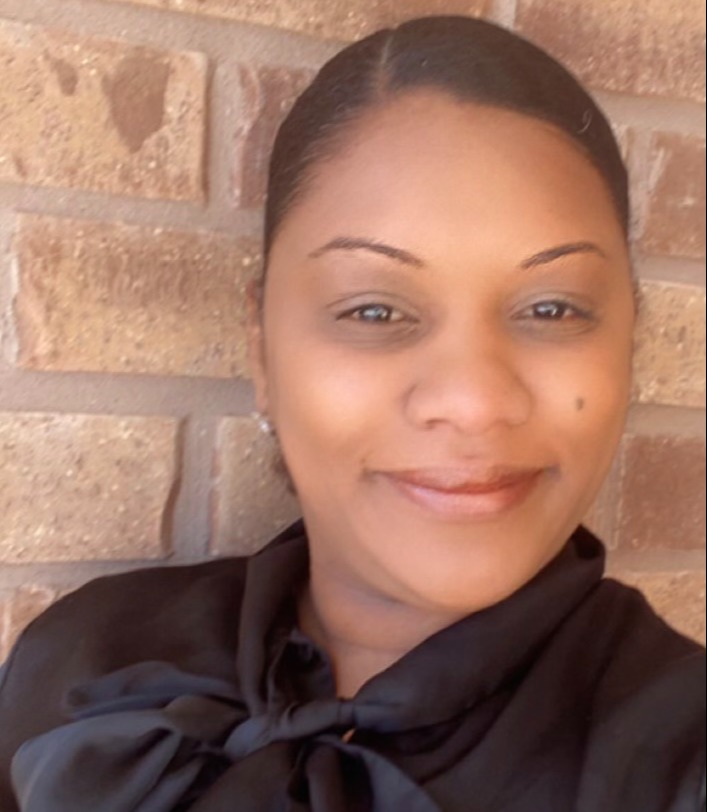 Celistine Frampton is one of the ABCC Leads, Registered Social Worker and Immigration Specialist at Peel Children’s Aid Society’s Child Welfare Immigration Centre of Excellence (CWICE). She plays an integral role in ensuring that children, youth, and families with immigration or citizenship-related needs are connected to the appropriate support and services. Celistine is dedicated to advancing equitable outcomes within the child welfare sector.