
Reflections from our Final Province
As CWICE National Outreach Project completes its journey across Canada, Saskatchewan marked a meaningful milestone as the sixth province to partner with the project in strengthening knowledge at the intersection of immigration and child welfare. Building on relationships and collaborations established through previous engagements, this return to partner with Saskatchewan reflected an ongoing commitment to capacity building, cross-sector collaboration, and ensuring that refugee and immigrant children and families are better understood within child welfare practice.
The timing of this work could not be more significant. Across the country, there is growing recognition that immigration status must be considered as part of permanency planning for children and youth in care.
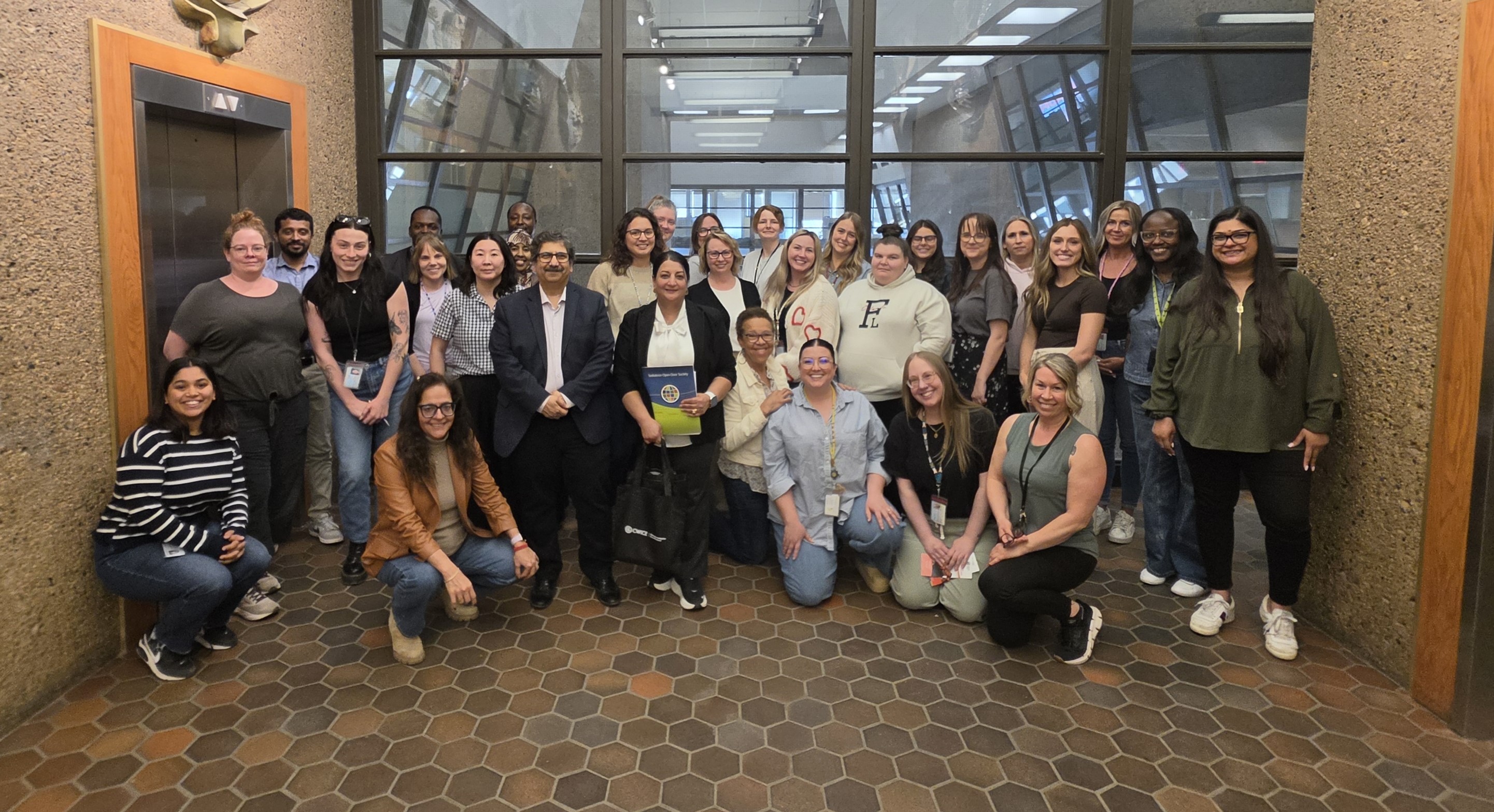
Reflections from Rosario Elmy, Child Welfare Immigration Specialist:
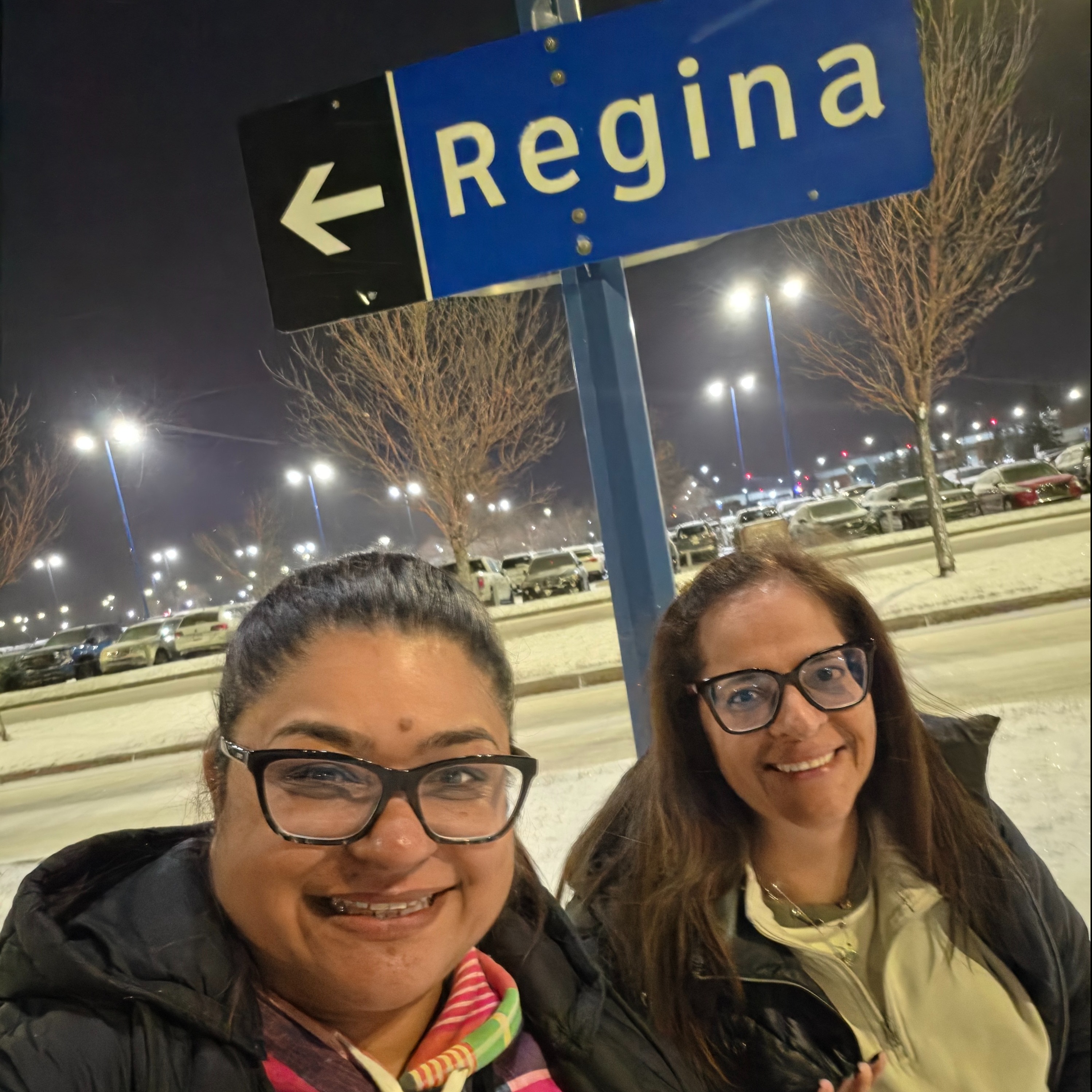
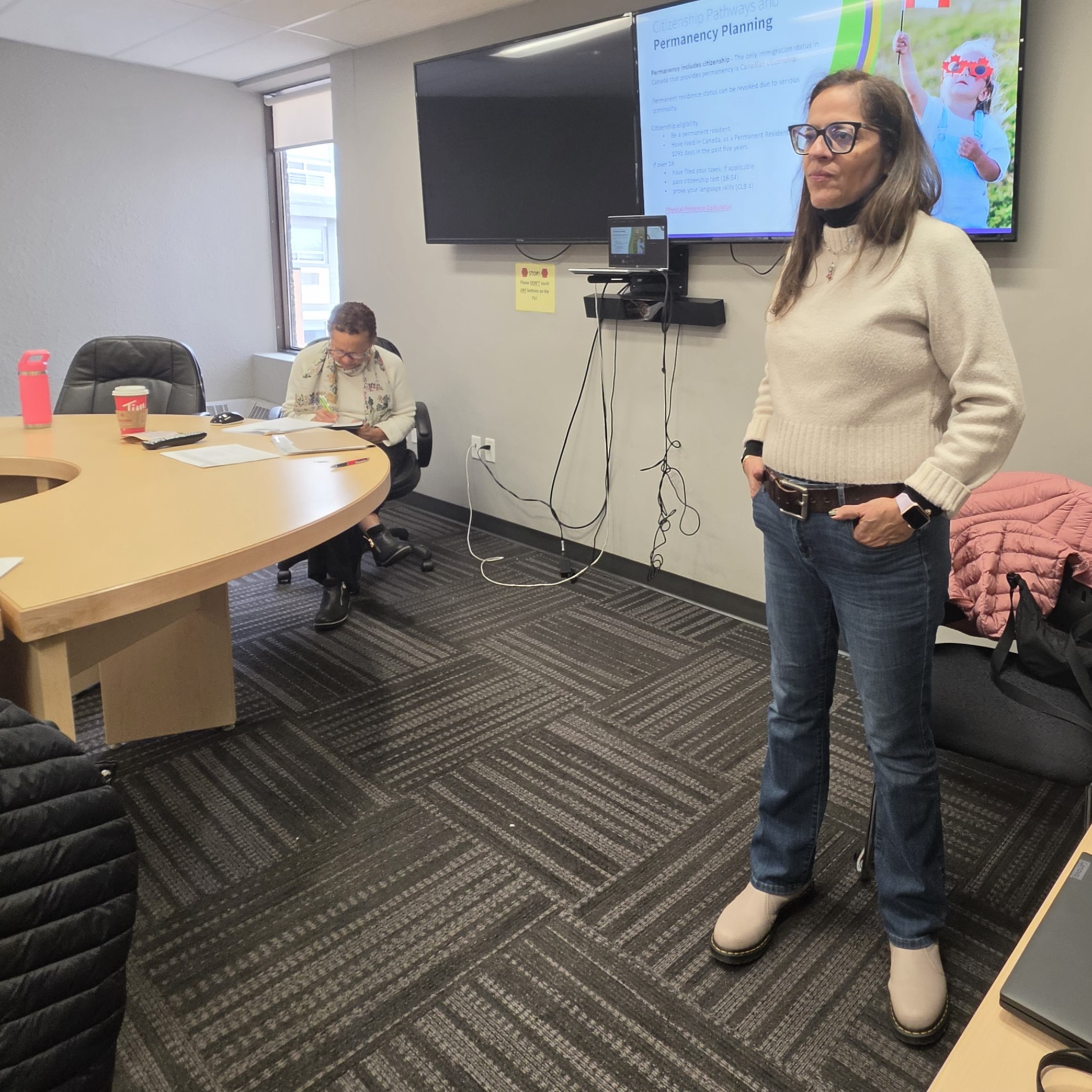
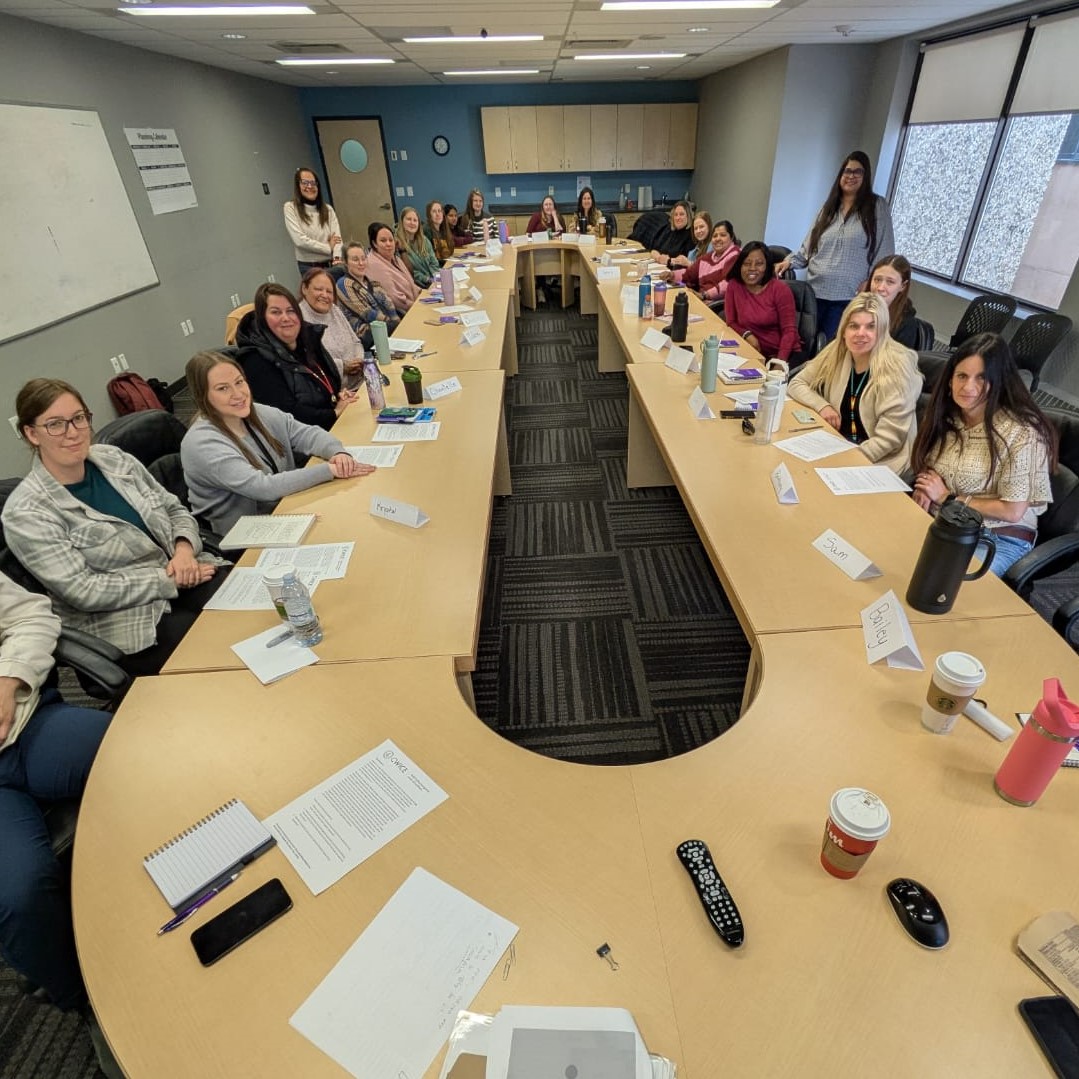
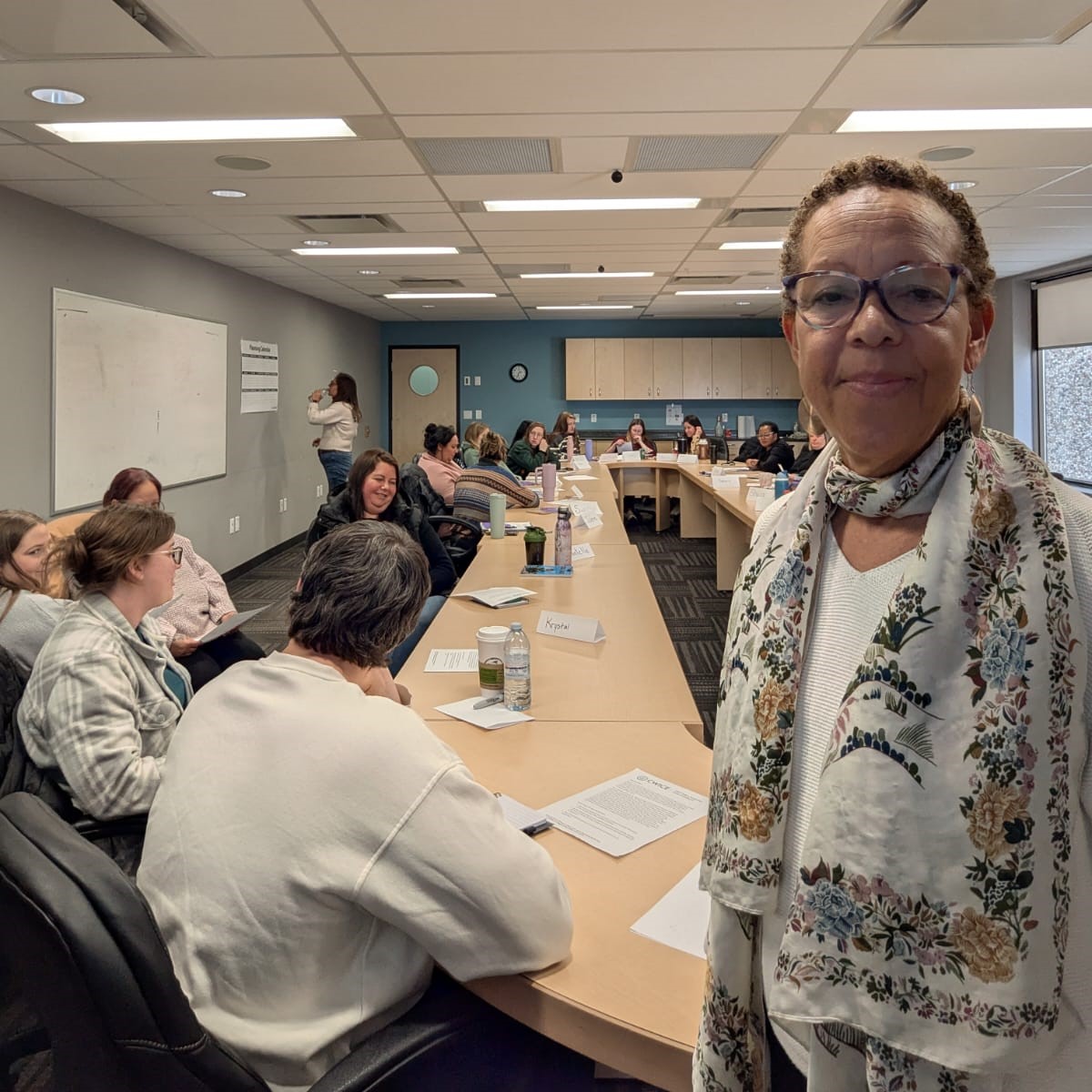
During our visit to Saskatchewan, including the cities of Saskatoon and Regina, I had the opportunity to provide training sessions to child welfare professionals on the importance of understanding the intersection between child welfare and immigration, with a specific focus on supporting Government Assisted Refugees (GARs). The training highlighted the unique experiences and challenges faced by families who are new to Canada. Many newcomer and refugee families are navigating unfamiliar systems, languages, cultural expectations, and trauma related to displacement and resettlement. As professionals, it is essential that we approach our work with empathy, cultural humility, and an understanding of how migration experiences can impact parenting, communication, and family dynamics.
One of the key reflections from this experience was the importance of recognizing and examining our own biases as professionals. Assumptions based on culture, parenting practices, language barriers, or different social norms can unintentionally affect assessments and decision-making within child welfare practice. The training encouraged professionals to reflect critically on how bias may influence investigations and interactions with families, and how adopting a more trauma-informed and culturally responsive approach can lead to better engagement and outcomes.
Another important area of discussion focused on slowing down investigations when working with families who are new to Canada. Often, misunderstandings arise because families may not fully understand the child welfare system, their rights, or the expectations being placed upon them. Taking additional time to build trust, provide clear explanations, and involve interpreters or cultural supports can help create more meaningful and respectful engagement with families.
A significant emphasis was also placed on the importance of collaboration with the settlement sector. Settlement organizations play a critical role in supporting newcomer families as they adjust to life in Canada. By working hand-in-hand with settlement workers and community organizations, child welfare professionals can better support families in understanding systems, accessing resources, and addressing challenges before they escalate. This collaborative approach helps strengthen families and promotes more positive outcomes for children and youth.
Overall, this experience reinforced the importance of applying best practices when supporting newcomer families, children, and youth. Effective practice requires collaboration, cultural responsiveness, self-awareness, patience, and a commitment to equity. The training sessions created meaningful conversations around how child welfare systems can continue evolving to better meet the needs of diverse communities and ensure that all families feel supported, respected, and understood.
Reflections from Fatima Mukai, Child Welfare Immigration Specialist:
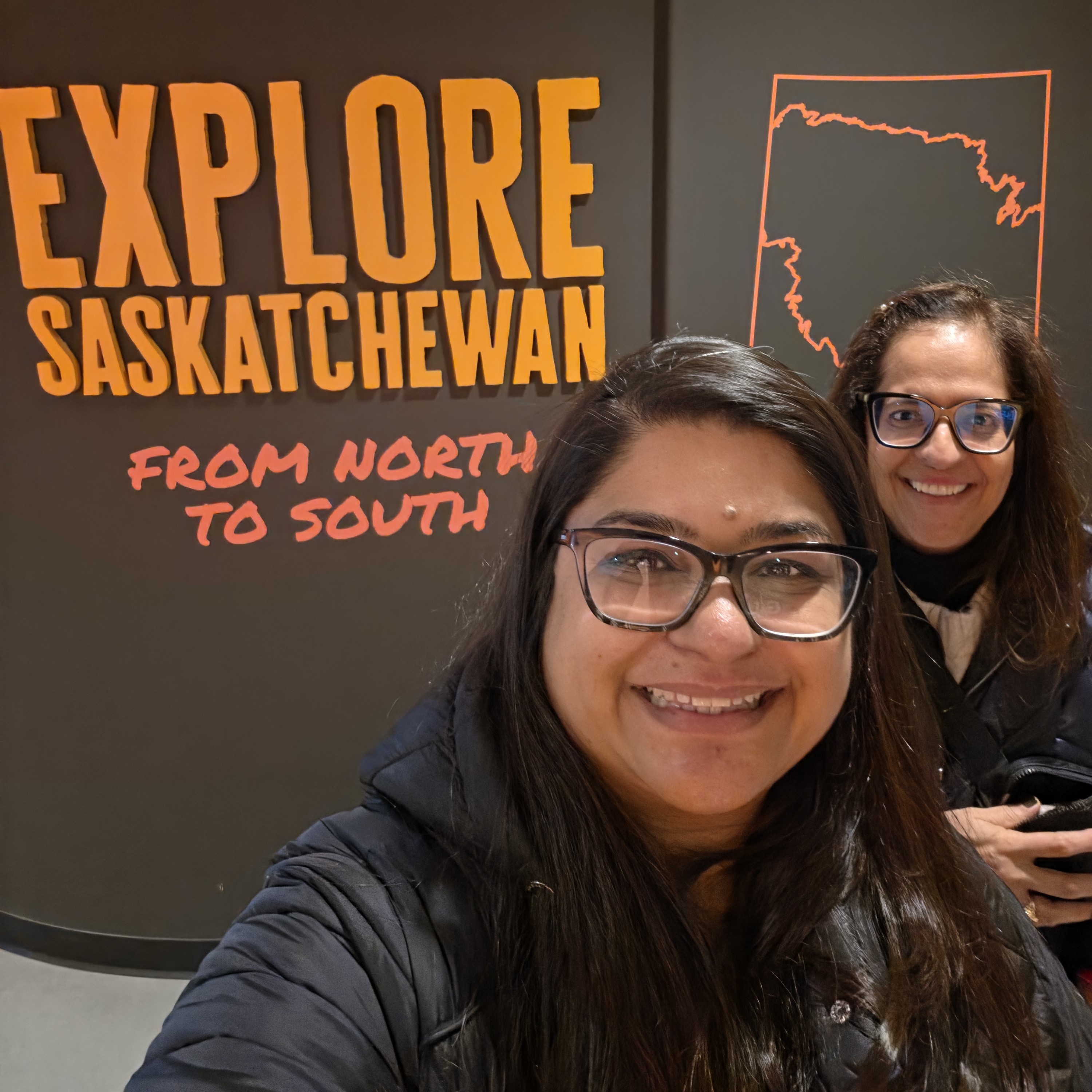
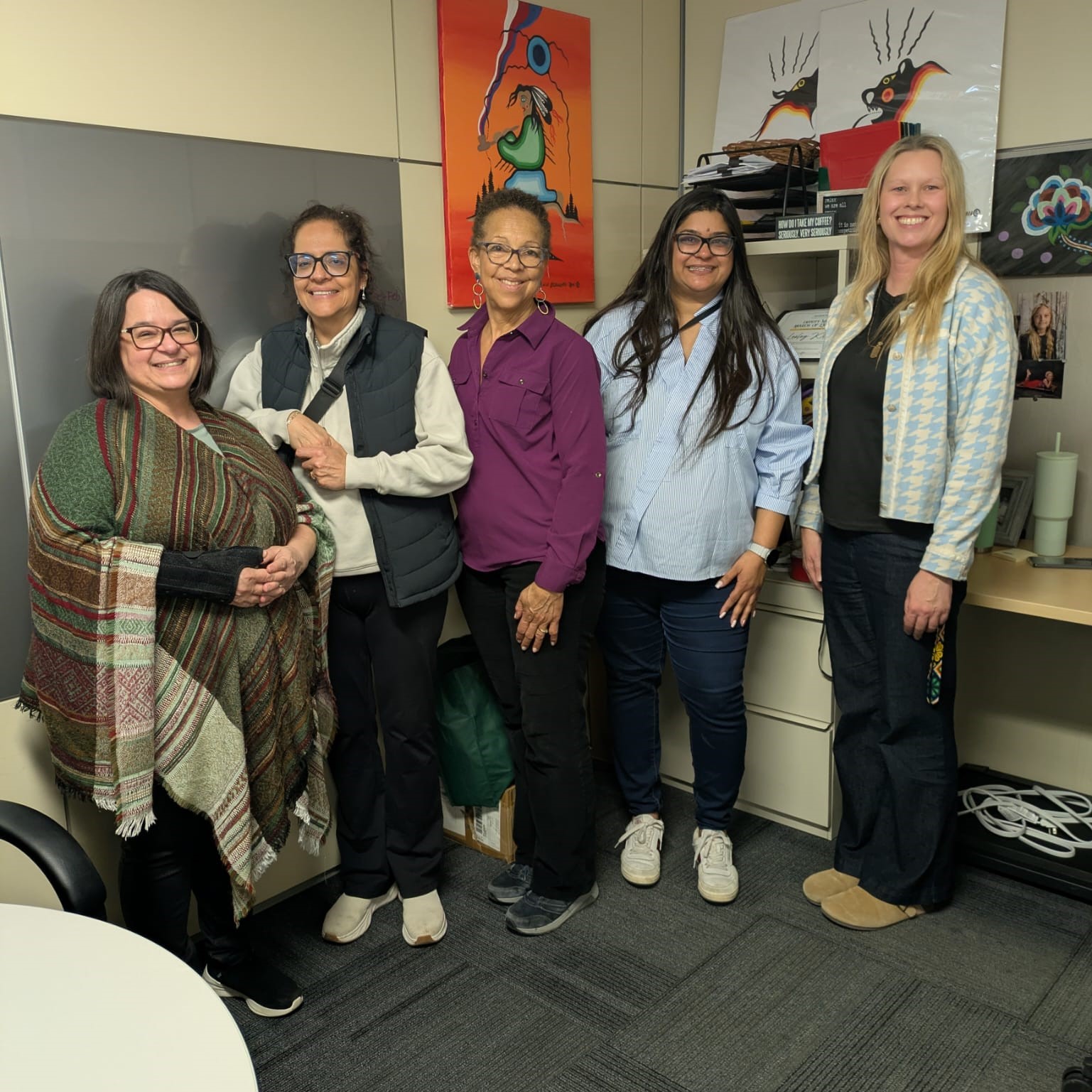
The month of May marked a milestone for CWICE’s National Outreach Project, as we have now delivered training focused on Government-assisted refugees and the intersection of immigration and child welfare to six provinces. Our milestone was achieved in Saskatchewan, which is known for its breathtaking open skies and endless horizons.
Saskatchewan is also known as the province where the first Muslim Association was registered in Canada. The province also boasts high immigration retention rates, with major centres featuring organizations that provide services for immigrants. Among those are the Saskatoon Open Door Society and its sister organization, Regina Open Door Society.
Both organizations were very graceful in meeting with the CWICE team and embedding a brief presentation about their services and capabilities to our child welfare colleagues. We found that, in all six provinces, the collaboration of the organizations delivering resettlement services was essential. Their participation enhanced the learning for child welfare workers and provided an immediate link to services for government-assisted refugees in their own community.
Following the presentations by the collaborating resettlement agencies, we engaged the participants in our case scenario discussions, which led to several impromptu consultations on complex immigration issues affecting children, families, and youth. These brief, non-identifying consultations helped participants better understand how child welfare and immigration issues intersect, particularly for children in care who may be especially vulnerable when documents are missing or expired, or when they come into contact with the criminal justice system. One participant also emphasized the importance of applying for Canadian citizenship for eligible children in care.
We would like to take this opportunity to thank the government of Saskatchewan for participating in CWICE’s National Outreach Project and ensuring that child welfare professionals had an opportunity to increase their knowledge on the subject matter.
The calibre of the discussions and the depth of the questions asked during the learning sessions indicate that the Canadian child welfare sector is ready and willing to embrace change through knowledge acquisition, and for that, we thank you, Saskatchewan.
As CWICE National Outreach Project team reflects on this national journey, Saskatchewan stands as a powerful reminder that meaningful change happens when systems are willing to listen, learn, and evolve; ensuring that immigration status, cultural identity, and belonging are no longer overlooked, but recognized as essential to achieving safety, permanency, and brighter futures for all children and youth in care.
 |  |  |
 |  |  |