CWICE at Metropolis 2026: Advancing Collaboration, Innovation, and Equity
In March 2026, the Metropolis Canada Conference brought together leaders, practitioners, researchers, and policymakers from across Canada to explore the evolving landscape of immigration and settlement. Hosted in Halifax—historically known as a “Gateway to Canada” through Pier 21—the conference provided a meaningful setting to reflect on Canada’s immigration journey.
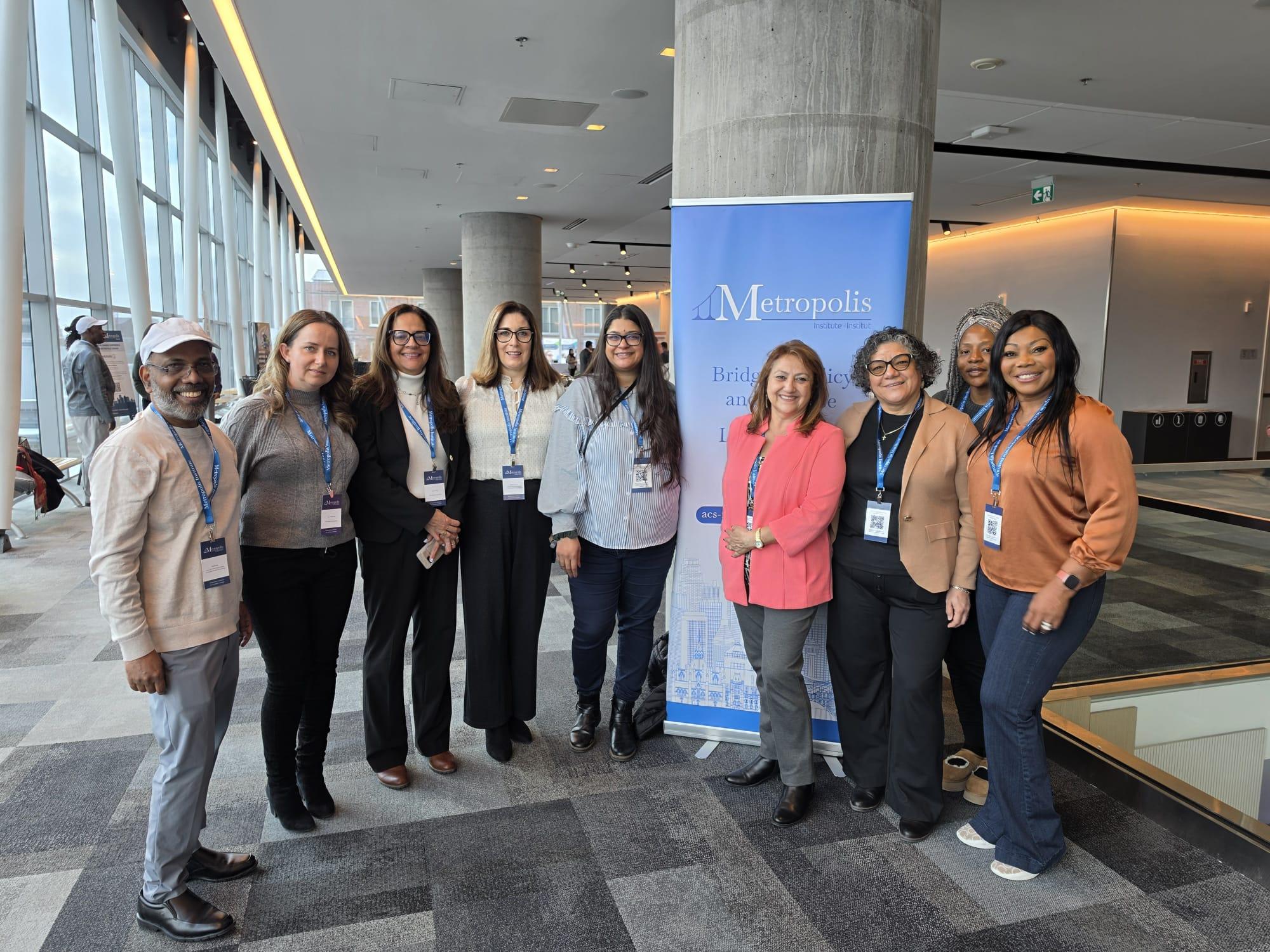
Peel CAS-CWICE was proud to be represented by 11 staff members, including CEO Mary Beth Moellenkamp and Head of Youth Success and Innovation, Prasad Nair. The team contributed through presentations, workshops, and panel discussions while engaging in cross-sector learning.
A central theme was the shifting direction of Canada’s immigration system. Immigration, Refugees and Citizenship Canada shared they are prioritizing restoring balance, rebuilding public trust, and preparing for the future amid global uncertainty, housing pressures, and inflation. This includes focusing on individuals already in Canada, creating clearer pathways to permanent residency, and prioritizing workers in critical sectors.
Research presented at the conference highlighted shifting public attitudes. An Environics survey showed increasing skepticism toward immigration, particularly among younger Canadians—and growing concerns about pressures on housing, healthcare, and education systems. While immigration remains essential to addressing Canada’s aging population, these findings underscored the need to better align immigration with social infrastructure and public confidence.
Across sessions, there was a strong emphasis on innovation, collaboration, and ongoing education around migration pathways and cultural contexts. Many participants were unaware of the intersection between child welfare and immigration, underscoring the importance of CWICE’s role in bridging these systems. This sparked valuable dialogue on ensuring newcomer children and youth have equitable access to services and secure immigration status.
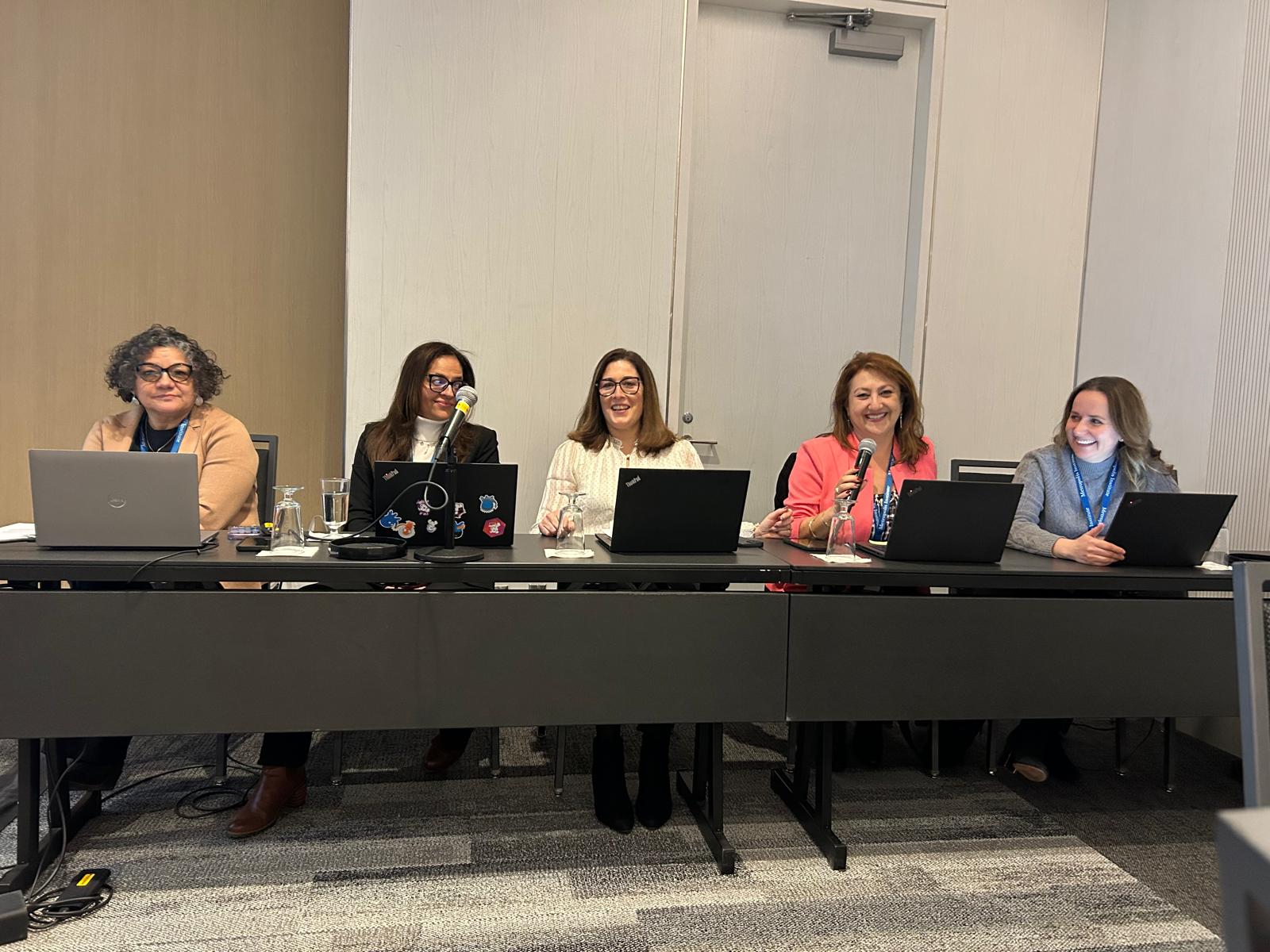
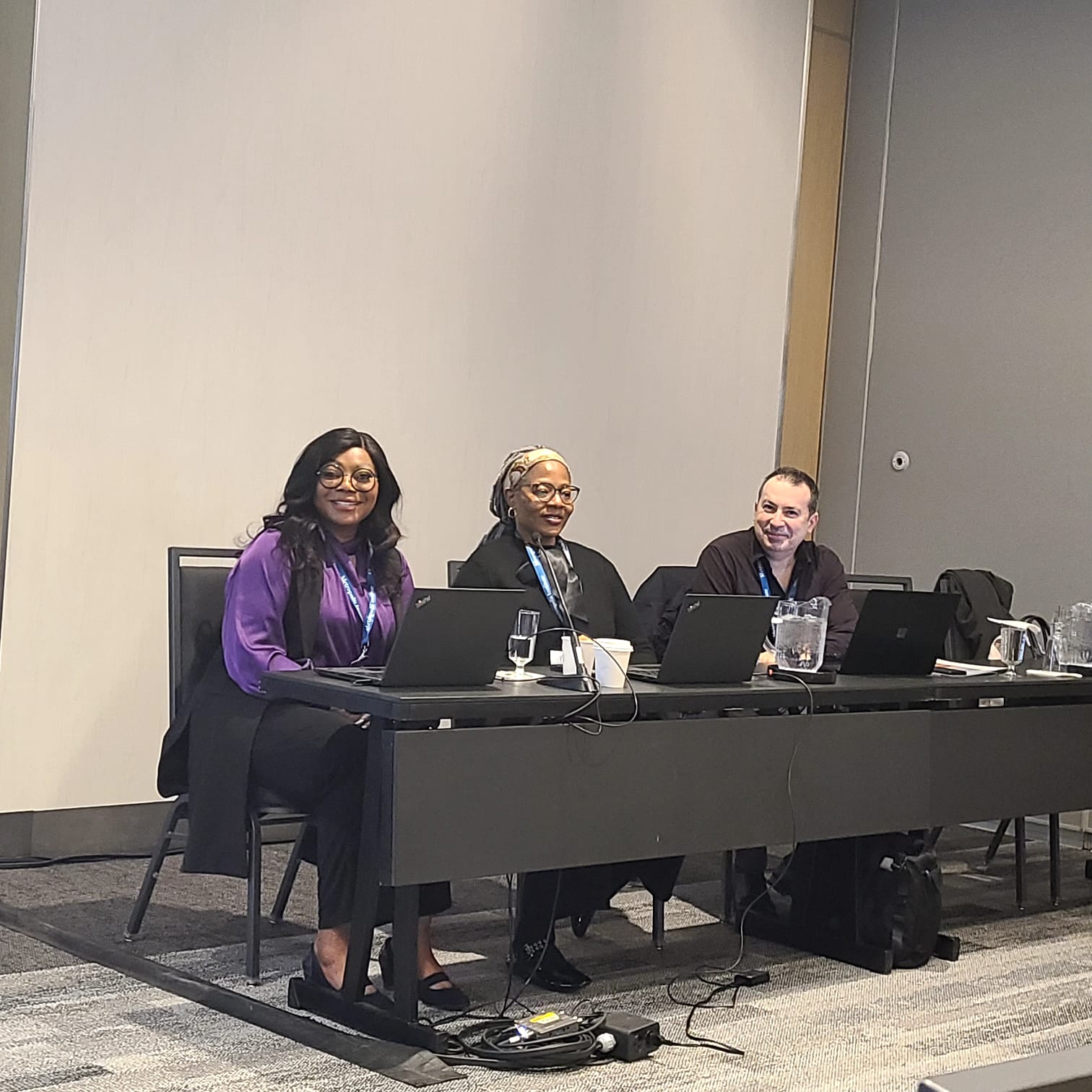
CWICE was honoured to present on several key topics. In collaboration with Peel CAS’ Family and Intimate Partner Violence (FIPV) Team, Strengthening System Responses to Cross-Border Family Violence: Insights from CWICE’s Emerging Work explored the complex realities of family violence that spans international borders. The session examined risks such as document withholding, international custody disputes, and barriers to leaving unsafe situations abroad, while also highlighting strategies for cross-border safety planning and system coordination.
In partnership with Polycultural Immigrant and Community Services, CWICE also presented From Crisis to Stability: How Wraparound Services Transform Outcomes for Asylum Seeking Families. This session focused on how integrated, wraparound service models can effectively respond to the intersecting needs of asylum-seeking families, including immigration, child welfare, health, and settlement challenges. Drawing on practice-based examples, the presentation emphasized the importance of coordinated pathways, culturally responsive supports, and cross-sector collaboration to reduce fragmentation and promote long-term stability.
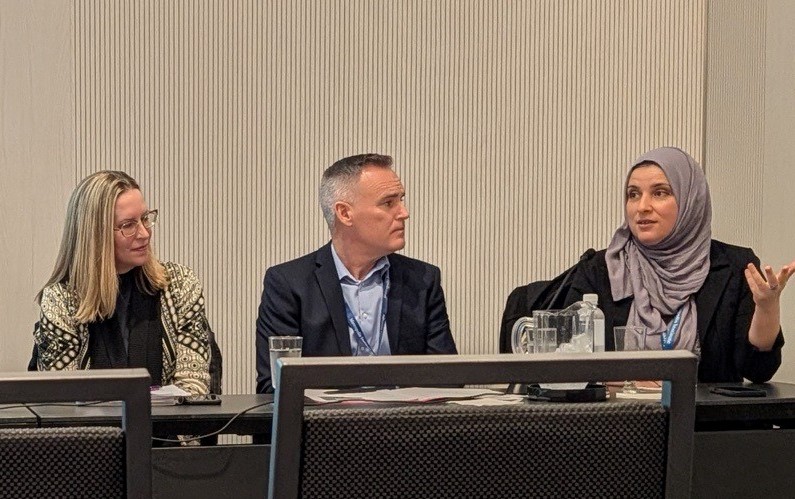
A standout moment of the conference was a child welfare leaders panel facilitated by CWICE, featuring Mary Beth Moellenkamp alongside leaders from Nova Scotia, Manitoba, and the Northpine Foundation. The discussion explored provincial differences in child welfare systems, promising practices at the intersection of immigration and settlement, and ongoing gaps.
Reflecting on the panel, Mary Beth highlighted both the progress being made and the urgency that remains. She spoke to how Ontario has begun identifying critical gaps within the system, and how CWICE’s National Outreach Project is creating meaningful opportunities for national alignment, shared learning, and coordinated advocacy. She emphasized the importance of strengthening supports for children and youth with cross-border needs and unresolved immigration status—positioning this as a central consideration in permanency planning.
Her reflections also pointed to broader systemic considerations, including alignment with a recent Senate report recognizing citizenship as an essential permanency goal. She underscored the importance of embedding this lens more consistently across provinces to ensure equitable outcomes for children and youth. Additionally, she referenced findings from Ontario’s Incident Report, which highlight a significant disparity: children from newcomer households are more than twice as likely to be investigated by child welfare. This reality reinforces the need to address systemic inequities while strengthening coordinated, cross-sector responses.
The conference also highlighted emerging challenges and opportunities in rural communities, particularly for migrant workers navigating pathways to permanency in regions with limited child welfare resources. As CWICE prepares to expand its National Outreach Project to Saskatchewan, as its sixth participating province, these insights will play a key role in informing future work.
Team members noted that many sessions reinforced the complexity of the settlement journey, particularly for asylum-seeking families who often face overlapping challenges such as immigration uncertainty, housing instability, trauma, and language barriers. These realities are further compounded when families are also navigating family and intimate partner violence. The importance of coordinated, cross-sector responses was a consistent message—without which families may struggle to access the supports needed to achieve safety and stability.
Overall, Metropolis 2026 highlighted the importance of collaboration, innovation, and shared learning in responding to Canada’s evolving immigration landscape. It reaffirmed that meaningful progress depends on strong partnerships across immigration, settlement, and child welfare sectors. As CWICE continues to lead and expand its work nationally, we remain committed to advancing equitable outcomes for immigrant and newcomer children, youth, and families across Canada.
The 28th Metropolis Canada Conference – Metropolis Conference
Contributors:
Liz Okai, Nadia Drepaul, Maresa Gervais, Alicja Grabarczyk, Fatima Mukai, Mandisa Sifelani, Rosario Elmy, Maria Macias, Claudia Obreque