
Reflections from Moncton: Thank you for the experience
Delivering training in French to child protection professionals in Moncton, New Brunswick was more than a professional opportunity; it was a deeply meaningful personal experience.
The session focused on how to better support Government-Assisted Refugees (GARs) and strengthen understanding of the immigration system in Canada. As we explored the realities families face: resettlement pressures, trauma recovery, financial hardship, cultural adjustment, and navigating complex systems, I found myself reflecting not only on practice, but also on language, access, and privilege.
Government-Assisted Refugee families arrive in Canada with resilience and hope, yet they are expected to quickly adapt to new social codes, institutions, and often a new language. When child protection becomes involved, the complexity increases. Misunderstandings may arise from cultural differences, communication barriers, or limited knowledge of how systems intersect. During the training, we discussed the importance of understanding Canada’s immigration system and the specific pathways of Government-Assisted Refugees and other international migrants in order to respond with empathy, clarity, and fairness.
Facilitating this session also brought me back to my early days as a child protection worker at Peel Children's Aid Society. At that time, certification training was not available in French. To maintain my position, I had to complete the certification process in English. I was learning professional child protection terminology in my second language while preparing for an exam that carried significant consequences. I remember the pressure clearly; if I did not pass, I could lose my job.
Although I was bilingual, functioning professionally in my second language required an extra level of effort, concentration, and emotional energy. Looking back, I recognize that even with my language skills, it was challenging. That experience gave me a deeper appreciation of what it means to operate in systems that are not built in your first language.
Being in Moncton and delivering training entirely in French felt different. In a bilingual environment, I did not have to search for the right terminology. I could communicate naturally and confidently. I did not have a strong accent. That experience reminded me how empowering it is to work and express oneself in one’s first language.
It also strengthened my awareness of the invisible efforts our clients make every day. Many of our clients are learning English or French from scratch while processing trauma, managing financial challenges, adapting to new cultural expectations, and sometimes navigating child protection involvement. The cognitive and emotional load is immense. Reflecting on this deepened my commitment to culturally responsive, linguistically accessible, and trauma-informed practice. I left Moncton with a renewed sense of gratitude, grateful to be part of CWICE, and grateful to work alongside managers and coworkers who see strengths in me that I sometimes struggle to recognize myself. Their encouragement pushes me to step outside my comfort zone, including facilitating professional training, and reminds me that growth often begins in moments of vulnerability.
This experience reaffirmed that language is not just a tool for communication, it is connected to confidence, belonging, and equity. As professionals, when we recognize the role language plays in access and understanding, we move closer to truly equitable practice.
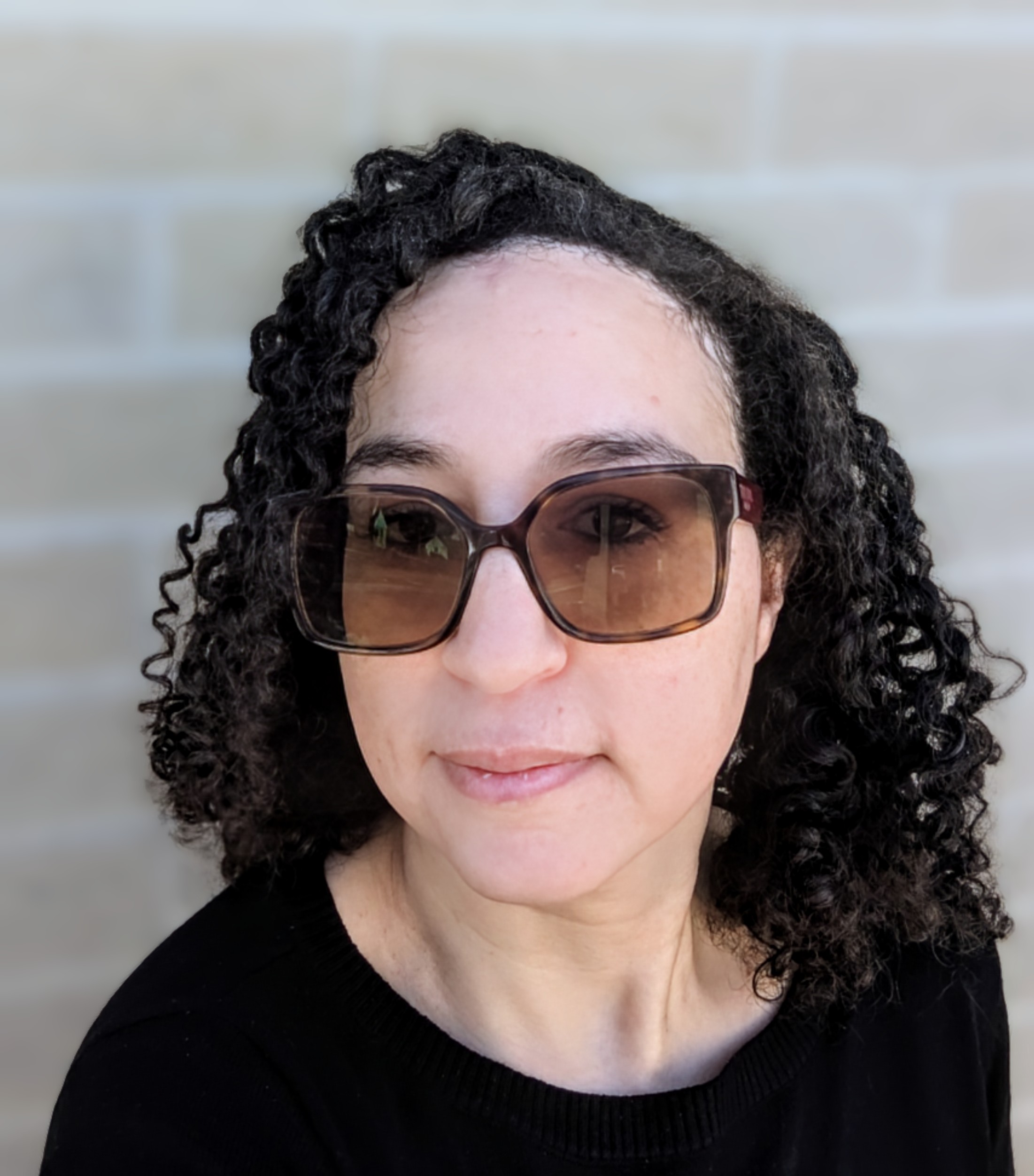
About the Author:
Loubna Zouggari is a Child Protection Worker and Immigration Specialist at Peel Children’s Aid Society in the Child Welfare Immigration Centre of Excellence (CWICE). Loubna has 16 years of experience working with vulnerable families and joined the CWICE in 2023 as an Immigration Specialist after joining Peel CAS in 2019 as an Assessment Worker.